 Try AI Planner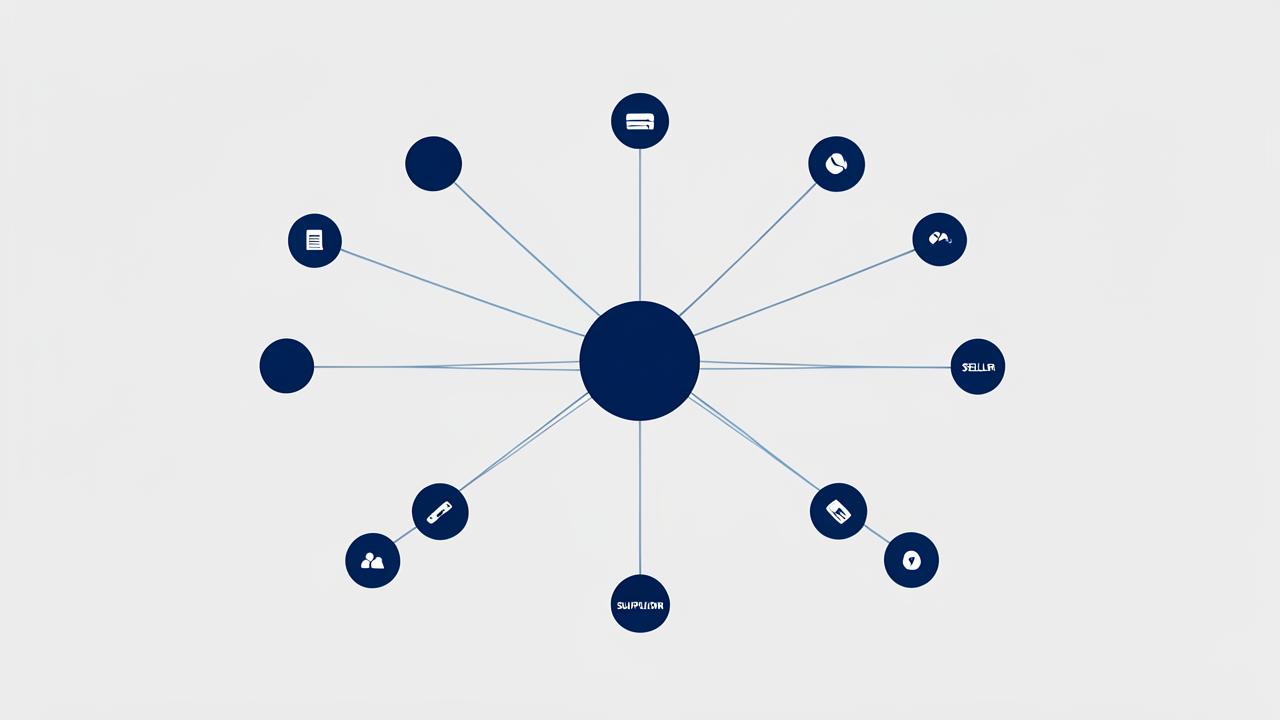
Travel distribution has always been a two sided problem. On one side sit suppliers: hotels, destination management companies, tour operators, and independent experience providers who hold inventory and set rates. On the other side sit sellers: travel agencies, corporate travel managers, marketplaces, and increasingly AI powered shopping agents that need to find, price, and book that inventory on behalf of a traveler. For decades these two sides connected through a patchwork of GDS links, manual rate sheets, regional wholesalers, and one off API integrations. Vbooking was built on the premise that both sides do better when they share one network rather than a thousand bilateral pipes.
A network effect only compounds when onboarding is easy, data is trustworthy, and money moves predictably. Suppliers will not join a marketplace where content standards are unclear or settlement is slow, and sellers will not build products on top of a catalog that is incomplete or inconsistent. This piece walks through how Vbooking approaches both sides of that equation: how we bring suppliers on board, how we protect quality and rate integrity, what tools and commission structures sellers get, and how the resulting network effects benefit everyone connected to it.
Why two sided networks matter in travel
Unlike a simple marketplace for a single product category, travel inventory is fragmented across geography, product type, and business size. A boutique hotel in Lisbon, a DMC running desert safaris in Jordan, and a walking tour operator in Kyoto all have different systems, different rate logic, and different appetite for technical integration. Sellers, meanwhile, range from large online travel agencies with dedicated engineering teams to independent advisors who need a simple booking link. A network has to serve both ends of that spectrum without forcing either side to compromise.
The payoff for solving this well is substantial. Each new supplier that joins adds inventory that makes the network more attractive to sellers, and each new seller that joins adds demand that makes the network more attractive to suppliers. Vbooking is designed to make that cycle self reinforcing rather than something that has to be manually engineered deal by deal.
A distribution network is only as valuable as the weakest link between a supplier's rate and a seller's checkout screen.
Onboarding suppliers: hotels, DMCs, tour operators, and experience providers
Supplier onboarding on Vbooking starts with a profile that captures business type, geography, product categories, and existing systems. Hotels typically connect through a channel manager or a direct API feed, exposing room types, rate plans, and availability calendars. DMCs and tour operators often manage more complex, multi day packaged products with variable pricing based on group size, season, or add on services, so their onboarding flow supports structured package definitions rather than single night inventory. Independent experience providers, who may run a handful of tours or activities with no existing technology stack, get a lighter weight path built around templates and guided setup rather than raw API integration.
Technical connection paths
Not every supplier wants or needs the same level of technical integration. Vbooking supports three broad paths: direct API connectivity for suppliers with existing systems, a managed spreadsheet or file based feed for smaller operators who prefer periodic uploads, and a hosted dashboard for suppliers with no back office system at all. Each path ultimately produces the same standardized data model on the network side, so sellers never need to know which path a given supplier used.
- Direct API integration for hotels, chains, and DMCs with existing inventory systems
- Managed feed ingestion for operators who export rates and availability from spreadsheets
- Hosted dashboard for small experience providers with no existing technology
- Certified connectivity partners for suppliers already integrated with common channel managers
Verification before activation
Before any supplier goes live, Vbooking runs a verification pass that checks business registration details, confirms cancellation and refund policies are clearly stated, and validates that at least a baseline set of content fields are populated, including descriptions, photos, and location data. This step exists because sellers are extending trust to Vbooking every time they surface a new supplier's inventory to a traveler, and that trust has to be earned before it is granted at scale.
Example
Onboarding a regional DMC in four weeks
- 1Week one: DMC submits business profile and sample package catalog covering its top ten itineraries
- 2Week one: Vbooking assigns a distribution specialist to review pricing structure and cancellation terms
- 3Week two: DMC uploads full inventory through the managed feed tool with rate rules by season and group size
- 4Week three: content team reviews photos, descriptions, and inclusions against Vbooking's quality checklist
- 5Week three: test bookings are run through sandbox sellers to confirm pricing and availability sync correctly
- 6Week four: DMC inventory goes live to the full seller network with monitoring on booking volume and error rates
Contracting and rate management
Once a supplier is technically connected, the harder and more consequential work begins: contracting. Rates on Vbooking can be structured as net rates with a defined markup applied at the seller layer, or as commissionable rates where the supplier sets a retail price and pays a percentage back on completed bookings. Suppliers choose the model that fits their existing distribution strategy, and the network enforces rate parity rules so that the same room or package is not simultaneously offered at conflicting prices across different sellers.

Contracting also covers allotments, black out dates, minimum stay requirements, and cancellation windows. These rules are captured as structured data rather than free text wherever possible, which lets Vbooking's pricing engine apply them automatically at the point of sale instead of requiring a human to reconcile fine print after a booking is made. For tour operators and DMCs, contracting frequently includes tiered pricing based on group size or season, and the platform supports multiple simultaneous rate plans per package so operators are not forced to flatten their pricing into a single number.
Handling rate changes and disputes
Rates change constantly in travel, whether because of seasonal demand, currency movement, or a supplier's own promotional calendar. Vbooking requires suppliers to push rate changes through the same feed or API used for initial onboarding, and changes propagate to sellers within a defined refresh window rather than sitting stale in a cache. When disputes arise, typically around a booking made at a rate that changed mid transaction, the platform keeps a timestamped record of the rate in effect at the moment of booking so that both sides have a clear reference point rather than a he said, she said argument.
Quality and content standards
A network's reputation is built one listing at a time. Vbooking enforces content standards that require accurate descriptions, current photography, clear inclusions and exclusions for packaged products, and honest representation of star ratings or quality tiers. Suppliers that repeatedly fail quality checks, whether through outdated content or a pattern of cancellations after booking, are flagged for review and can be limited in visibility until issues are resolved. This is not about gatekeeping for its own sake; it is about making sure that a seller who trusts the network with a customer relationship is not exposed to inventory that will damage that relationship.

Content standards extend to structured attributes as well as free text. A hotel listing needs consistent amenity tags, accurate geolocation, and correctly mapped room categories so that sellers can filter and present inventory reliably. A tour package needs clear duration, difficulty level, and what is included in the price, since ambiguity here is one of the most common sources of post booking complaints in the tour and activity segment.
- Accurate, current photography refreshed at defined intervals
- Structured amenity and inclusion tags rather than only free text descriptions
- Clear cancellation and refund terms attached to every rate plan
- Consistent geolocation and mapping data for accurate search and filtering
Seller tools and commission structures
Sellers on Vbooking range from full service agencies building custom itineraries to lean marketplaces that simply need a search and book widget. The seller side of the platform exposes a search API, a booking API, and a set of embeddable interface components so sellers can integrate at whatever depth suits their business. Larger sellers typically build custom front ends against the raw API, while smaller sellers use pre built widgets that can be dropped into an existing website with minimal engineering work.
Commission structures are transparent and visible to sellers before they commit to featuring a given supplier's inventory. Depending on the contracting model chosen by the supplier, sellers either apply their own markup on top of a net rate or earn a defined commission percentage on a fixed retail rate. Vbooking's dashboard shows sellers projected earnings by supplier and product category, which helps sellers prioritize which inventory to promote to their own customers.
Tools that reduce operational overhead
Beyond search and booking, sellers get access to itinerary building tools, automated confirmation and voucher generation, and a unified view of bookings across every connected supplier regardless of which onboarding path that supplier originally used. This matters because a seller working with fifty different suppliers should not need fifty different confirmation formats or fifty different customer service contacts; the network absorbs that complexity so the seller can focus on the traveler relationship.
| Seller type | Integration depth | Typical commission range | Primary tool used |
|---|---|---|---|
| Full service agency | Custom API integration | 10 to 18 percent | Search and booking API |
| Corporate travel manager | Embedded widget | 8 to 14 percent | Itinerary builder |
| Independent advisor | Hosted booking page | 10 to 16 percent | Seller dashboard |
| Marketplace platform | Full API and data feed | 12 to 20 percent | Booking and settlement API |
Settlement and payment flow
Settlement is where trust either gets reinforced or erodes. Vbooking centralizes payment collection at the point of booking and then settles funds to suppliers on a defined schedule, net of any commission owed to the seller. This structure means suppliers do not need to chase individual sellers for payment, and sellers do not need to hold merchant relationships with every supplier they work with. Settlement reports are itemized by booking, so both sides can reconcile individual transactions rather than working from an aggregate number that hides discrepancies.

For suppliers operating internationally, settlement includes currency conversion handled at a transparent, disclosed rate, and for sellers managing high volumes, batch settlement reports can be exported directly into accounting systems. Refunds and cancellations flow through the same pipeline, with the platform automatically adjusting the next settlement cycle rather than requiring manual correction.
- 1Traveler completes checkout and payment is collected by Vbooking at the point of sale
- 2Booking is confirmed with both supplier and seller through automated notifications
- 3Commission or markup is calculated based on the contracted rate model
- 4Funds are held until the defined settlement window, typically tied to check in or service date
- 5Supplier receives net settlement with an itemized report of all bookings in that cycle
How network effects compound for both sides
The clearest evidence that a two sided network is working is when growth on one side visibly accelerates growth on the other. As Vbooking's supplier base broadens across hotels, DMCs, tour operators, and experience providers, sellers gain access to a more complete catalog and can serve a wider range of traveler requests without adding new integrations. As the seller base grows, suppliers gain access to more distribution channels through a single connection, reducing the marginal cost of reaching a new market segment. Neither side has to negotiate with the other directly, since the network handles contracting, quality, and settlement centrally.

This compounding effect is also what allows newer product lines such as Itinerary AI and Agentic Travel to function well. An AI agent assembling a multi day trip needs breadth of supply across accommodation, tours, and experiences in a given destination, and it needs confidence that pricing and availability are current. A thin network with gaps in coverage produces poor itineraries; a dense network with reliable data produces itineraries that feel complete and trustworthy to the traveler.
Measuring network health
Vbooking tracks a small set of metrics to understand whether the network is genuinely compounding rather than just growing in headcount. Supplier activation rate measures how many onboarded suppliers actually reach live, bookable status rather than stalling mid integration. Seller utilization measures how much of the available catalog a given seller actually books from, which signals whether the catalog is relevant to that seller's customer base. Rate accuracy measures how often the price shown to a traveler matches the price ultimately charged, a direct proxy for data quality. Settlement cycle time measures how quickly suppliers receive funds after a completed stay or activity.
Percent of onboarded suppliers reaching live status
Supplier activation rate
Share of catalog actively booked per seller
Seller utilization
Match rate between displayed and charged price
Rate accuracy
Days from service date to supplier payout
Settlement cycle time
Practical guidance for suppliers and sellers evaluating the network
Suppliers considering Vbooking should start by mapping their current distribution channels and identifying where rate parity conflicts might already exist, since resolving those before onboarding makes the contracting conversation much faster. Sellers should look closely at which product categories they most need to fill gaps in, whether that is hotel inventory in a specific region, tour operators with local expertise, or standalone experiences that complement an existing package. Both sides benefit from treating the initial integration as a starting point rather than a finished state, since rate models, content depth, and tool usage typically mature over the first several months on the network.
The underlying principle is straightforward even if the mechanics are detailed: a travel network creates value when it removes friction from every point of connection between a supplier's inventory and a seller's customer. Vbooking's approach to onboarding, contracting, quality, seller tooling, and settlement is built around that single goal, and the compounding effect between supply and demand is the clearest signal that the approach is working.